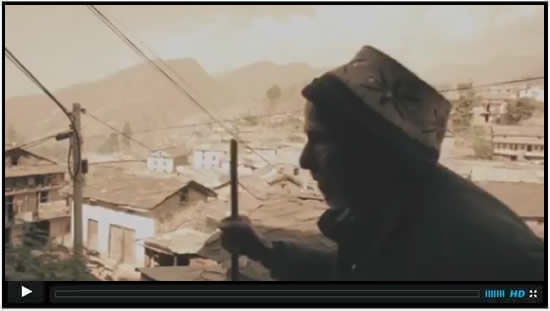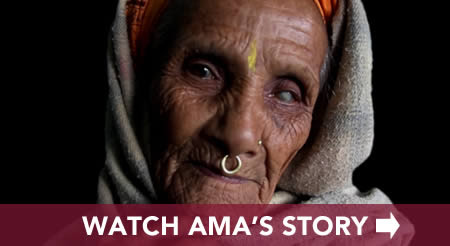
Watch the Video
Watch more Seva Videos
“Seva has given so much help to so many thousands of people for so many years — such a wonderful example of love in action.”
Bonnie Raitt
Singer / Songwriter
"For nearly 40 years Seva has made an extraordinary contribution to the world — not only through their
international programs, but here in some of the most impoverished communities in North America, on Native American reservations. Thank you Seva."
Jackson Browne
Singer / Songwriter
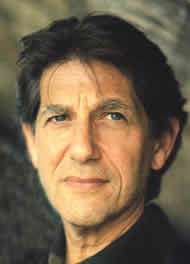
"Seva takes the impulse towards generosity and turns it into compassionate action that helps people in real need. I honor my friends and relations by giving to Seva in their name — the entire world benefits. I hope you'll join me."
Peter Coyote
Actor / Writer
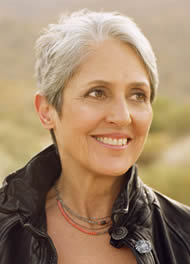
"Compassion and caring for people in need - that's simply a moral necessity. But it's not
always easy to do. Seva makes it easy. They know how to put your donations to work in ways that truly benefit people."
Joan Baez
Singer / Humanitarian Activist
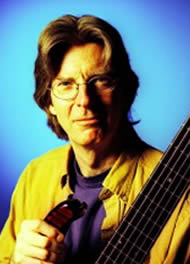
"When we met the folks at Seva, we knew we were among kindred spirits, joining to bring people together in service to others. Whether preventing blindness in Nepal, assisting native peoples in Guatemala and Mexico, or helping our own Native Americans, Seva has been there to help alleviate suffering and improve people's lives. Long may they rock!"
Phil Lesh
The Grateful Dead
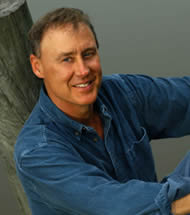
"Seva's efforts create hope and happiness worldwide for so many people in difficult conditions. I've always been amazed and cheered by their good works and I've been very happy to help them in their fundraising efforts."
Bruce Hornsby
Singer / Songwriter
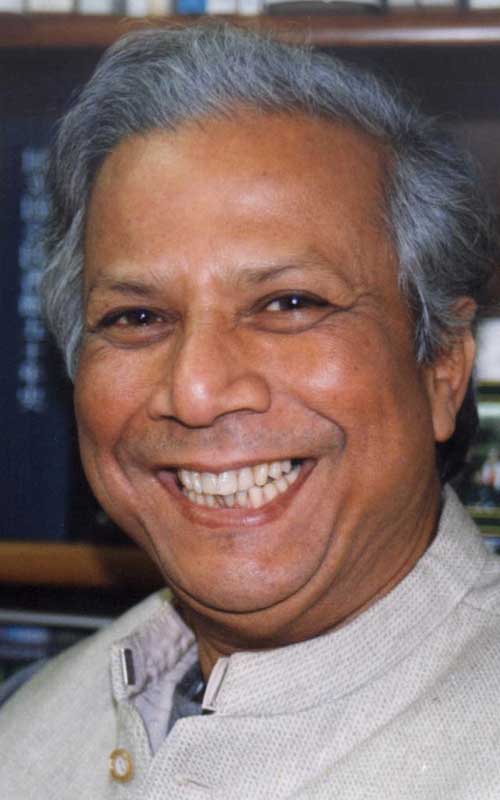
“I admire Seva's spirit of innovation. Seva is constantly looking for new ideas that can benefit the world, especially the poor, and they aren't afraid to try something that no one has ever tried before."
Dr. Muhammad Yunus
Nobel Prize Winner / Seva Partner / Founding Chairman of Grameen Health Services
“I congratulate Seva Foundation for the magnificent work they continue to do."
Odetta
Legendary Folk Singer
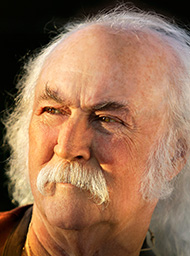
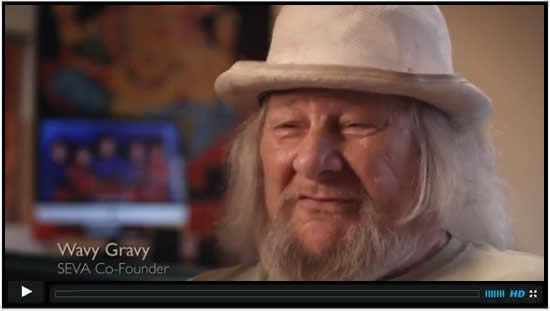
“Seva has done an incredible job all over the world helping people who really need it. I am proud to be one of the many who followed Wavy and his friends down this particular yellow brick road.”
David Crosby
Singer / Songwriter
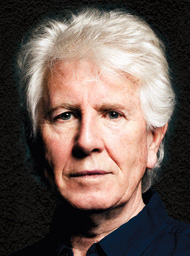
“Such dedication to others — how could you not love Seva and what they accomplish? Well done!”
Graham Nash
Singer / Songwriter

Eye Care and Economic Opportunity
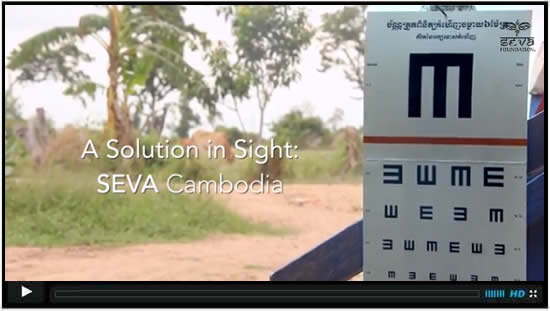
Seva helps cure blindness and creates jobs in Cambodia
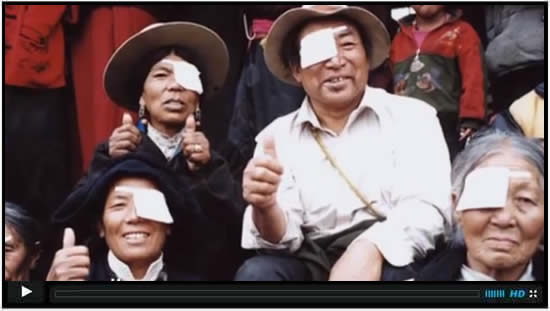
"I thought my blindness was a sign of bad fortune from God," says Mr. Nhien Nak, 60, who lives in Cambodia's Tom Poung village and cares for his orphaned grandchildren. "But now that I've had the surgery, I'm not blind anymore and I can work in the rice fields and feed my grandchildren again."
Like most blind people in rural areas of developing countries, Mr. Nhien didn't know that his condition was due to a cataract which could be removed by a simple surgery. That changed one day when a field worker from the new Battambang Ophthalmic Care Center (BOCC) came to visit him and explained that his condition could be cured. Since Mr. Nhien had no money to travel or pay for surgery, the field worker arranged for transportation to Battambang, 40km away, and set up a free sight-saving surgery at BOCC.
Seva is the lead partner in launching BOCC, which opened its doors in September 2007 in one of Cambodia’s neediest northwest provinces. Today, four trained Cambodian staff travel to remote communities throughout the area to conduct eye exams, and already more than 2,300 villagers have been brought to BOCC for surgery.
This is an extraordinary achievement in a nation where over 90,000 people have cataract blindness, yet until recently there have been no schools to train ophthalmologists and there are now fewer than ten ophthalmologists in the entire country.
Eyesight Equals Self-Sufficiency
For many BOCC patients, regaining their eyesight means regaining their ability to work and be self-sufficient. “I help support my family by stripping coconuts so they can be sold at market,” says Mrs. Moung Muth, 73, from Prey Pdao village, about 30 km from Battambang. Her vision had been clouded by cataract for almost a decade, making it increasingly difficult for her to work. Then a BOCC field worker visited, examined her eyes, and brought her to BOCC for cataract surgery. “I paid 20,000 Reils [about $5] for the surgery, which I had saved from stripping coconuts over a long time,” she says. “Now that I can see, I can work again — easily and safely.”
New Center Brings New Jobs
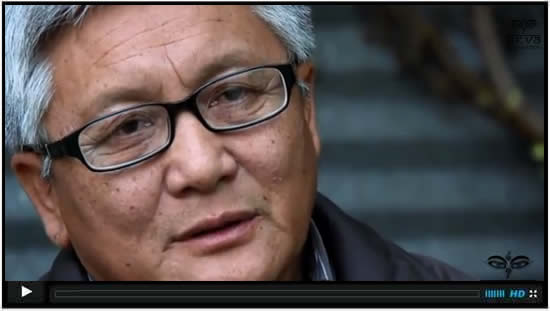
BOCC is also creating much needed economic development for the community. “BOCC now employs 16 Cambodians on its staff, including nurses, optometrists, counselors, field workers and medical assistants," explains Dr. Chundak Tenzing, Director of Seva's Sight Program. "The only non-Cambodian is Dr. Bal Kumar Khatri, a surgeon and former director of the Lumbini Eye Institute in Nepal — though he has more than a decade of experience working in Cambodia. And over 40% of the BOCC staff are women, which is so important because women have been excluded from these opportunities in the past."
These new jobs are typical of Seva's approach to building sustainable eye care programs. "Rather than sending Seva's own staff to run the programs," says Dr. Tenzing, "we train local people to provide care to their own communities."
Sustainable Business Model
BOCC uses a fee structure that Seva helped perfect with Aravind Eye Care System, Seva's principal partner in India. "We're showing BOCC how to establish a program of high volume, high quality care,” Dr. Tenzing says. “About 80% of the patients pay a basic amount for care, and 10% pay a higher level. Together, that subsidizes the poorest 10% of patients, who receive care free of charge. This approach will ensure that BOCC can be financially self-sufficient while still caring for those in greatest need."
* We won't share your email and you can unsubscribe at any time.






Contact Us Search State Disclosures Privacy Policy Job Opportunities Sign In
Seva Foundation 1786 Fifth Street Berkeley, CA 94710 phone: 510-845-7382 fax: 510-809-3364
Seva Foundation is a 501(c)(3) not-for-profit organization. © 2024 Seva Foundation. All rights reserved.